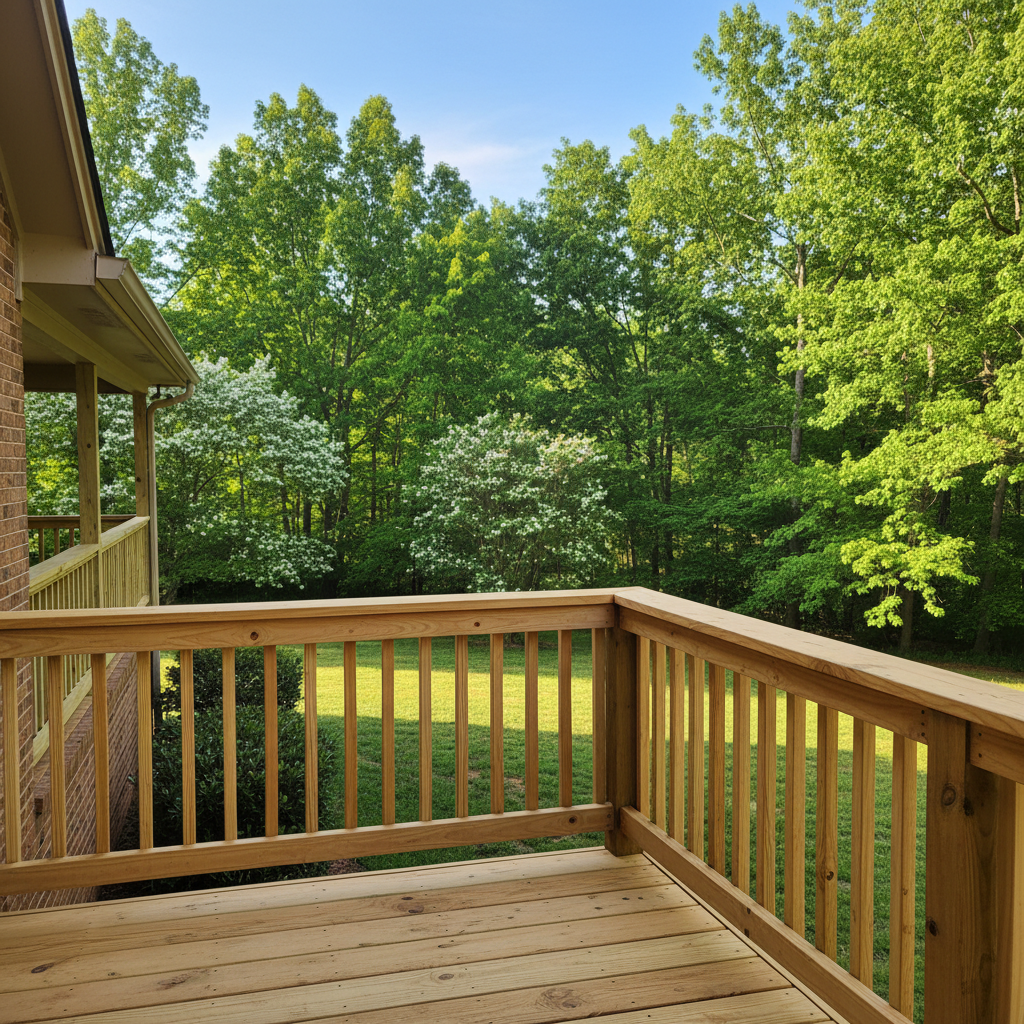
You've got a great deck, maybe we even built it for you at Pacific Decking, and those railings are a big part of what makes it safe and look good. But just like anything exposed to the elements here in Oak Ridge, they need a little attention. Ignoring them isn't an option, especially when safety's on the line.
Extending the Life of Your Railings
The best way to make your railings last is to start with good materials and proper installation. That's a given. But after that, it's all about protection. For wood railings, staining or sealing is your best friend. Our Tennessee humidity and those hot summers, followed by wet winters, can really take a toll on untreated wood. I've seen plenty of railings on older homes in the Grove or Hendrix Creek areas that just rot out because they were never properly sealed or maintained.
You should plan on re-staining or re-sealing wood railings every 2-3 years, depending on the product you use and how much sun exposure they get. Composite railings are much lower maintenance, usually just needing a good cleaning. Aluminum or steel railings are pretty tough, but they can still scratch or have their powder coating chipped, which can lead to rust if not addressed.
Regular Maintenance: What You Need to Do
This isn't rocket science, but it does take consistency. Here's what I tell folks:
- Clean Regularly: At least twice a year, give your railings a good wash. A soft brush, some mild soap, and water usually do the trick. Get rid of dirt, mildew, and any pollen that's built up. That green stuff isn't just ugly; it holds moisture against the material.
- Check Fasteners: Go around and check all the screws, bolts, and nails. Are any loose? Tighten them up. Over time, wood expands and contracts, and fasteners can work their way loose. This is especially true for railings around pools or hot tubs where they're constantly exposed to moisture and chemicals.
- Inspect for Damage: Look for cracks, splinters, rot, or rust. For wood, pay close attention to where the balusters meet the rails, or where posts meet the deck surface – those are common spots for moisture to collect and rot to start. For metal, look for any chips in the paint or powder coating that could expose the metal to rust.
- Trim Vegetation: Keep bushes and trees trimmed back from your deck. Overhanging branches can drip water onto your railings, and plants growing against them can trap moisture, encouraging rot or mildew.
Warning Signs of Problems
You don't want to wait until a railing is wobbling to notice a problem. Here are some red flags:
- Wobbling or Loose Sections: If you can shake a post or a section of railing, that's a serious safety issue. Don't ignore it.
- Soft or Spongy Wood: Poke around with a screwdriver, especially at the base of posts or where railings connect. If the wood feels soft or crumbles, you've got rot.
- Significant Cracks or Splits: Small surface cracks are often normal with wood, but deep, long cracks can compromise structural integrity.
- Excessive Rust or Corrosion: A little surface rust on a screw head might be okay, but if you see significant rust on metal components, it needs attention.
- Fading or Peeling Finish: This isn't just cosmetic. It means your wood isn't protected anymore, and it's time to re-seal or re-stain before water damage sets in.
When to Call a Professional
Look, some things you can handle yourself. Tightening a screw or cleaning is easy. But there are times when you really need to call in someone like us at Pacific Decking.
- Structural Issues: If a main post is rotted, a railing section is broken, or the whole thing feels unstable, that's a job for a pro. We know how to properly reinforce or replace components to meet safety codes.
- Extensive Rot or Pest Damage: If you find widespread rot or evidence of carpenter ants or termites, it's bigger than a DIY fix. You might need to replace entire sections, and you'll want to make sure the underlying cause is addressed.
- Complex Repairs: If you're not sure what's causing the problem, or if the repair involves disassembling and reassembling significant portions of the railing, it's best to get an expert opinion.
- Safety Concerns: Any time you feel like the railing isn't safe, don't hesitate. Your family's safety is paramount.
Your deck railings are there for a reason. A little bit of regular maintenance goes a long way in keeping them safe, sturdy, and looking good for years to come. Don't let those beautiful views of the Clinch River be overshadowed by a rickety railing!